
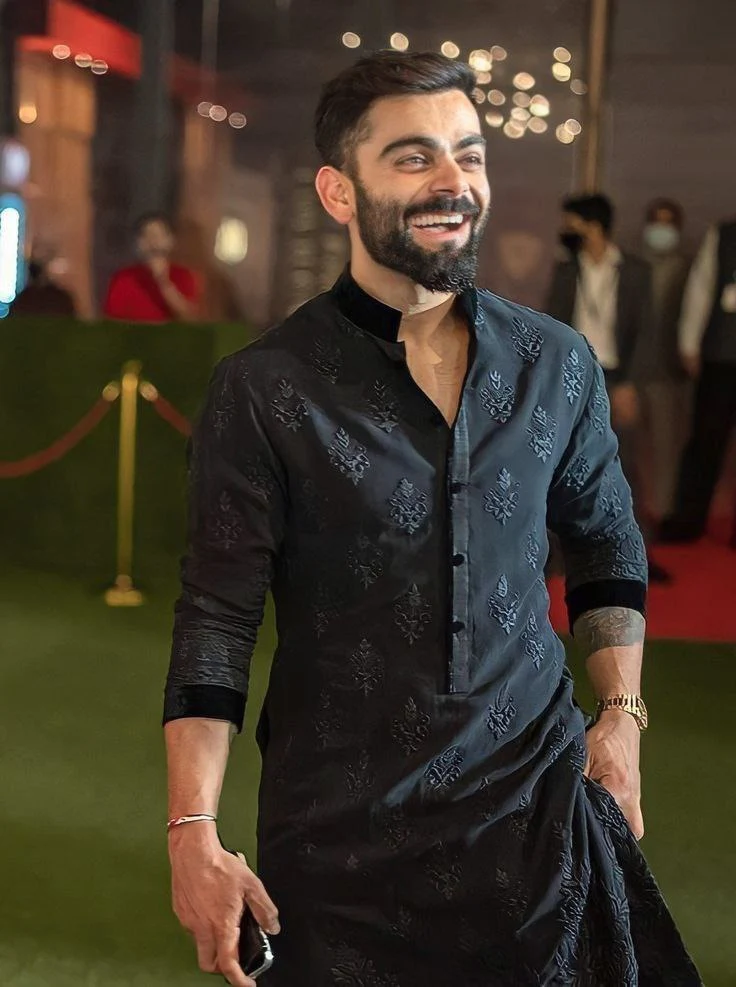
Beyond only being a traditional male garment, the kurta is a statement of sartorial comfort, aesthetic refinement, and cultural pride. The kurta has endured through decades of fashion while maintaining its roots in heritage and identity, and it is widely worn throughout South Asia and praised for its adaptability. Men of various ages now use it for high fashion runway statements, daily wear, and office wear in addition to festivals and weddings.
This thorough guide covers every aspect of men’s kurtas, including their types, history, style alternatives, and expanding global influence in modern design.
1. The Kurta’s Historical Significance
The kurta has its roots in ancient India, where it was customarily worn by aristocrats, commoners, and students alike. The kurta was originally a straightforward tunic with straight cuts. Its shape was practical, modest, and breathable, making it perfect for the hot, muggy atmosphere of the subcontinent.
The kurta evolved over ages to accommodate the subtle cultural differences of different locales. As a symbol of national identity, it was widely adopted during India’s freedom movement after being embraced by Mughal monarchy and imbued with Persian aesthetics. Because of its long history and timeless appeal, the kurta is still a staple of South Asian fashion today.
2. A Kurta’s anatomy
A kurta is essentially a long tunic that falls to the knees or just below. Usually, it has:
A banded neckline or collar
Three-quarter or long sleeves
A hem that is straight or slightly flared
Side slits to facilitate mobility
While some kurtas have pleats, embroidery, or printed designs, others have plackets that are buttoned, just like shirts. A multitude of styles and silhouettes are constructed from this basic framework.
3. Kurta Types for Men
Kurtas have come in a variety of styles over time, each with its own unique aesthetic:
The most popular style, the classic straight kurta, is perfect for informal occasions or everyday wear.
Pathani Kurta: A regal and masculine style that is frequently worn with churidars or salwars.
The overlapping design of the Angrakha Kurta is reminiscent of royal clothing.
Short Kurta (Kurti): Kurtas that are hip-length or waist-length and used informally with pants or denim.
Asymmetric Kurta: A contemporary style that is well-liked in Indo-Western fusion clothing.
Kurtas in the Sherwani style are elaborately crafted and worn to weddings and other festive events.
Every kind has a distinct function, ranging from grandiose celebrations to everyday comfort.
4. Frequently Used Kurta Fabrics A kurta’s feel, flow, and seasonality are all greatly influenced by the fabric used in its creation. These are the most popular choices:
Cotton: Lightweight, breathable, and ideal for summer.
Linen: Chic and breezy, perfect for casual and semi-formal settings.
Silk: luxuriant and luxurious, ideal for formal occasions like weddings.
Khadi: Mahatma Gandhi notably supported this hand-spun cotton, which represents independence and simplicity.
Rayon and viscose are synthetic mixes that provide a smooth, velvety surface.
Wool and Blends: Ideal for colder locations for winter kurtas.
The correct fabric improves the kurta’s comfort and usefulness in addition to its beauty.
5. Patterns and Colors: A Way to Express Individuality
Men’s kurtas can be greatly customized because they are available in a wide variety of colors, patterns, and embroidery styles. Religious and cultural ceremonies are dominated by traditional hues such as white, beige, maroon, and saffron. But brighter hues like mustard yellow, midnight blue, emerald green, and even pastels are also being adopted by contemporary guys.
Regional tradition is reflected in prints like bandhani, ikat, and block printing, while solid-colored kurtas are classic and adaptable. Kurtas with embroidery, particularly those featuring zari, resham, or chikankari work, elevate formal and festive ensembles.
6. Events and the Appropriate Kurta Selection
A kurta’s versatility is what makes it so lovely. It is suitable for:
Casual attire: Jeans or pajamas with a short cotton kurta.
Festivals: Kurtas with traditional patterns or embroidery in vibrant colors.
Wedding attire consists of silk or brocade kurtas paired with dupattas and churidars.
Office attire: Formal pants and subtle khadi or linen kurtas.
Evening attire options include designer or asymmetrical kurtas paired with Nehru jackets.
The occasion, time of year, and degree of formality should all be considered when selecting your kurta.
7. Combinations of Bottom Wear
The whole look is improved when you pair your kurta with appropriate bottom clothing. Among the well-liked choices are:
Churidar: Tight trousers with a bunch at the ankles.
Pajamas: Comfortable, traditional loose pants.
Salwar: Pathani kurtas are typically worn with wide, loose-fitting slacks.
Jeans: For a contemporary take on Indo-western fashion.
Lungi or Dhoti: Usually worn in traditional attire or at religious rituals.
You can add a fashionable touch to your kurta ensemble by experimenting with contrasts or monochromatic themes.
8. Kurta with Nehru Jacket: An Elegant Combination
Wearing a Nehru jacket with a kurta is one of the most common ways to dress it up for formal events. This front-buttoned, sleeveless vest immediately adds refinement and structure. The Nehru jacket over a solid or printed kurta gives the ensemble a sharp and regal appearance, whether it’s being worn for a wedding, festival, or office celebration.
Select jackets made of brocade, raw silk, or silk to go well with the tone and texture of your kurta.
9. Shoes That Go Well with Kurtas
The appearance is completed with footwear. The occasion and kurta style should guide your decision:
Juttis or mojaris are traditional shoes that go well with both festive and formal kurtas.
Kolhapuris: Casual cotton kurtas look great with open sandals.
Leather slip-ons or loafers are perfect for semi-formal occasions.
Casual Sneakers: For a fusion look, pair them with short kurtas.
The kurta ensemble is kept front and center with color coordination and minimalist footwear design.
10. The Fashion Industry’s Kurta
Leading Indian and foreign designers have reimagined the kurta in recent years by adding layered drapes, fusion tailoring, high-low hemlines, and asymmetrical shapes. The kurta has redefined itself as a representation of modern ethnic style by appearing on red carpets and walking prominent fashion runways.
The kurta’s status as a fashion-forward clothing and cultural item has been solidified by its prominence in international fashion.
11. Purchasing the Ideal Kurta
Take into account these aspects when purchasing a kurta:
Fit: It shouldn’t be excessively tight or loose. For a more contemporary appearance, slim fit variants are offered.
Fabric: Select materials that are suitable for the season.
Choose hues that go well with your skin tone.
Occasion: Before selecting elaborate or informal styles, ascertain the usage case.
Craftsmanship: Kurtas made by hand are frequently of higher quality and genuineness.
Discover your comfort zone by experimenting with different styles, whether you shop online or at a store.
12. Taking Good Care of Your Kurta
To extend the life of your kurta:
Silk and embroidered kurtas can be dry cleaned or hand washed.
To prevent destroying delicate textiles, iron on low heat.
To prevent wrinkles, store carefully by hanging or folding with tissue.
For items that are dyed or printed, stay away from bleach and strong detergents.
Your kurta will stay colorful and usable for many years if you take proper care of it.
13. Handloom and Eco-Friendly Kurtas
Handloom kurtas manufactured from eco-friendly materials, khadi, or organic cotton are growing in popularity as sustainability gains traction in the fashion industry. These kurtas lessen carbon emissions while preserving traditional crafts and helping local artists.
Purchasing from regional weavers or ethical brands guarantees that you will not only look fantastic but also support worthwhile causes.
14. Kurta in Different Cultures
Despite having strong South Asian roots, the kurta has become a global fashion statement. Pakistan, Bangladesh, Nepal, and Afghanistan all wear variations of the kurta. The appearance of tunic-style clothing is comparable even across the Middle East.
Kurtas’ international appeal is demonstrated by the fact that the diaspora community in Western nations frequently dons them for festivals, cultural events, and even social meetings.
15. Kurta as an Identity Symbol
The kurta is a symbol of identity for many people, not just a fashion statement. It conveys emotion, pride, and cultural expression, whether it is a young college student wearing a short kurta to class or a groom wearing an embroidered sherwani-style kurta on his wedding day.
The kurta still provides a feeling of groundedness in the face of global influences in the contemporary age of style blending.
16. Trends to Watch in Kurta
The kurta is a garment that changes with trend. Watch out for:
draperies and longline coats in layered styles.
Combinations of denim and khadi for the aesthetics of streetwear.
Kurta with side panels or cowl hemlines.
Minimalist embroidery and digital prints.
Kurtas featuring monograms or family crests that are specially tailored.
With a contemporary twist, these fashions rethink how men approach traditional attire.
17. The Kurta Look and Celebrities
The kurta is frequently seen on red carpets, award presentations, and even international talk shows, worn by celebrities ranging from Bollywood stars like Shah Rukh Khan and Ranveer Singh to well-known figures like Hasan Minhaj.
Their stylists play around with accessories, fabric combinations, and layering to give this classic piece new looks.
18. Spending Limit for Designer Choices
There are kurtas to suit every budget, with plain cotton kurtas costing less than ₹500 and premium silk ensembles with elaborate handwork costing more than ₹50,000. No matter one’s socioeconomic background, there is something for everyone.
Because of its accessibility and cost, it’s among the most democratic items of men’s fashion.
19. Accessory Pieces to Finish the Look
Enhance your kurta ensemble with these add-ons:
Nehru jacket pocket squares
stoles or dupattas for festive kurtas
Vintage lapel pins or brooches
Rudraksha beads or bracelets
Chic timepieces or aviators
These components give your outfit depth and individuality.
20. Concluding Remarks: The Kurta Is Everlasting
Men’s kurtas are more than just clothes; they are a tradition. It transcends geographical boundaries, age groups, and fashion tastes. The kurta is the perfect piece of clothing to wear to a Diwali celebration, a friend’s wedding, a Friday night supper, or simply to feel more connected to your heritage.
Its elegance, coziness, and adaptability make it a timeless representation of ethnic clothing that looks well in the wardrobe of the contemporary man. Neither the kurta nor the elegance it offers are going anywhere.